How to Stretch Leather Shoes Without Damaging Them
2026-07-26
Leather has a way of holding its ground before it softens. It doesn’t instantly follow the shape of your foot the way fabric sneakers do. I’ve seen people return perfectly good shoes simply because they didn’t realize leather needs a little warming up and gentle coaxing before it feels right. The good part is that leather can stretch. The not-so-great part is that doing it incorrectly can leave marks or even change the shape in a way you didn’t intend. Stretching leather is almost its own skill, but it’s not complicated once you know what to avoid and how far you can safely go. People often ask whether leather shoes stretch with regular use, or whether there is a reliable way to widen shoes that pinch in the toe box. Both questions have the same answer: yes, and this guide walks you through exactly how.
Why Leather Shoes Feel Tight at First
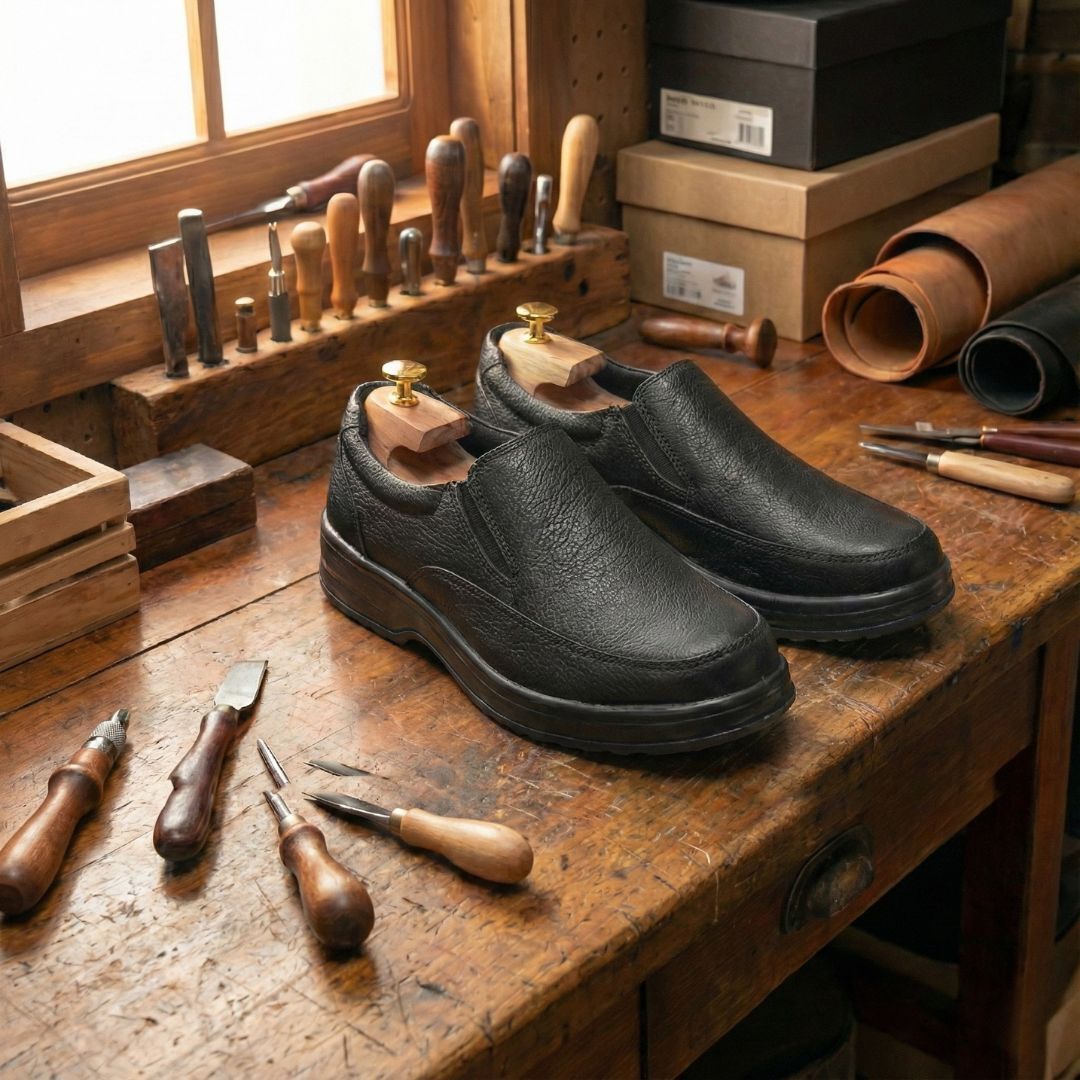
Most people don’t think about the nature of leather when buying shoes. They look at the size, maybe try them on once under store lighting, and assume the fit is final. But leather is firm at the beginning because it hasn’t absorbed your body warmth, pressure, or motion yet. Unlike mesh or foam, which adapt instantly, leather prefers to take its time. A question worth addressing early is whether leather shoes will stretch at all. They do, but the process is gradual rather than immediate.
Natural Stiffness and When Tightness Becomes a Problem
There’s a type of stiffness that’s harmless, the kind you feel with new leather shoes or freshly purchased leather sneakers. They hug the sides of your feet, but they’re not painful. After a few short wear sessions, that tightness softens. The other type of tightness is more concerning: sharp pressure on the toe box, your toes bending to “fit”, tingling after only a few minutes.
Those are signs that stretching is necessary before you can wear the shoes comfortably outside your home. A lot of people who are used to cleaning sneakers forget that leather behaves differently from the soft materials in athletic shoes.
How to Stretch Leather Shoes at Home (Without Ruining Them)
Home stretching is completely possible if you use a light hand. You don’t need intense heat, complicated tricks, or anything you’d be afraid to try twice.
Shoe Stretchers and the Freezer Method
The best way to stretch leather shoes at home depends on how much room you need and how quickly you need it. Shoe stretchers have been around forever because they work. You can slide one inside the shoe, set how much pressure you want, and leave it overnight. It doesn’t force the leather to move, it encourages it. This slow expansion is ideal when you're trying to widen leather shoes in a controlled way without putting stress on the seams or lining.
There’s also the freezer method, which sounds odd until you try it. Put the shoes in a sealed bag so they stay dry. Then place smaller bags of water inside the shoes and leave them in the freezer. As the water expands, it gently pushes the leather outward. I’ve known people who used this trick on older pairs they didn’t mind experimenting with, and the results were surprisingly good.
Socks + Heat and Manual Flexing
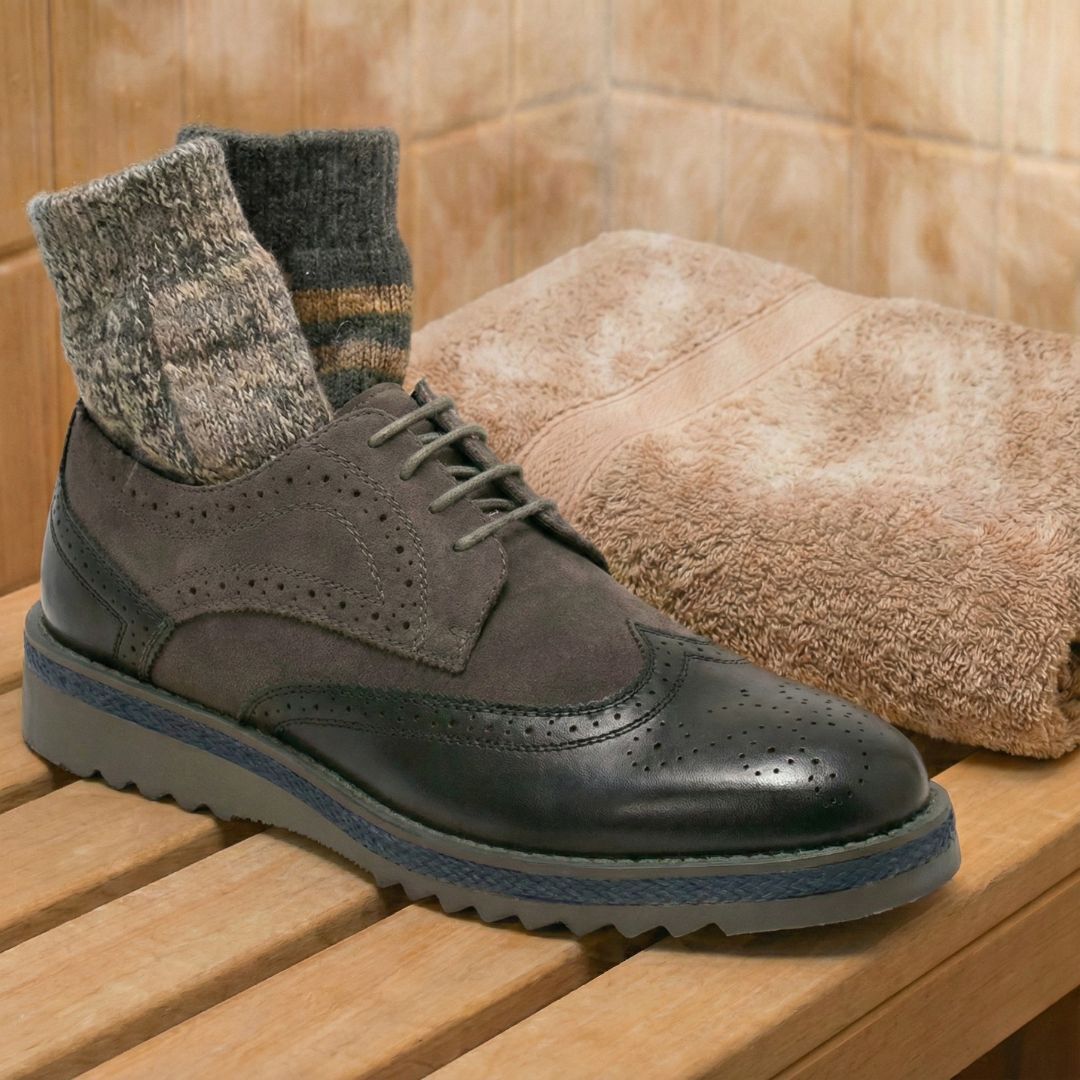
The simplest method is wearing thick socks and walking around your home. Add a bit of gentle heat from a hairdryer, low setting only and the leather responds faster. Bend your feet, roll your weight from heel to toe, and you’ll feel the shoes slowly loosen. It is one of the more accessible ways to stretch out leather shoes because it requires nothing but time and a pair of thick socks.
This approach works particularly well for structured styles, the kind people often choose when transitioning from wearing sneakers to work to something more polished.
The “Wear Them Indoors First” Method
It sounds too easy, but many leather shoes only need short, repeated sessions at home. Wear them for 15–20 minutes, take them off, let the leather cool, then repeat later. That break-in cycle is how most high-quality shoes naturally adjust to your feet.
Soft materials like those in workout shoes mold instantly, but leather likes this slower approach.
How to Stretch Leather Boots Properly
Many of the same methods that help widen leather shoes apply to boots as well, though boots require a bit more patience. Boots require slightly different care because they have more layers, thicker structure, and sometimes reinforcement that doesn’t stretch easily.
Steam Method and Professional Boot Stretching
Short bursts of steam can loosen the leather, but the key is restraint. Hold the boot over light steam for a few seconds, just enough to warm the material, not soak it. Then put on thick socks and wear the boots immediately while the leather is still warm and pliable. Walk around, flex your feet, and keep them on until the leather cools and sets in its new shape.
The steam method works particularly well on structured mid-shaft boots and ankle styles with reinforced toes. For thinner leathers or decorative stitching, skip it entirely, steam that lingers too long weakens the material and can cause color transfer. A few seconds is the window. If you're not confident in the timing, a cobbler can apply targeted steam with professional tools that distribute heat evenly.
Stretching leather shoes and boots at home is manageable for most styles, but not all. The best way to stretch leather shoes with a complicated construction, thick welts, layered linings, or reinforced heel counters, is to leave the process to someone with the right equipment. Cobblers use lasts and spreaders designed for specific boot shapes, which means the stretch happens exactly where you need it without distorting the silhouette.
For nicer pairs of dressy leather boots, women’s moto styles like these vegan leather boots, or delicate Chelsea boots, a cobbler is worth the trip. They can stretch very specific areas without distorting the rest of the boot.
Conditioning Before and After Stretching
Dry leather cracks when stretched. You don't see it right away, but the damage shows up later as lines along the sides, a sign the material was forced rather than coaxed. Stretching leather shoes without conditioning first is one of the more common mistakes people make. Apply a light conditioner before you begin, let it absorb for about 30 minutes, and the leather will respond more easily to any method you use.
Conditioning afterward matters just as much. Once you've stretched out leather shoes or boots to where they feel right, a second application helps lock the new shape in place and keeps the material supple over time. Think of it as the step that preserves the work you just did. Skipping it leaves the leather dry and more likely to tighten back up or develop surface cracks with regular wear
Dry leather cracks when stretched. You don’t see it right away, but the damage shows up later as lines along the sides. Using a leather conditioner first makes the material more flexible. Conditioning afterward helps lock the shape in place.
 How to Stretch Shoes Immediately (For Urgent Situations)
Some people need their shoes comfortable the same day: weddings, interviews, work shifts, events where there's no time to break anything in gradually. A common question at this point is whether leather shoes will stretch at all within a few hours. They will, but only with the right method applied correctly. The good news is that knowing how to stretch leather shoes quickly is less about special equipment and more about using heat and moisture to make the material temporarily receptive. Leather responds to warmth, so anything that raises the temperature of the material slightly, without overdoing it, gives you a window to reshape the fit. For a shoe that's only mildly tight, how to widen shoes fast often comes down to one or two targeted techniques applied before you head out the door.
Heat + Stretch Sprays
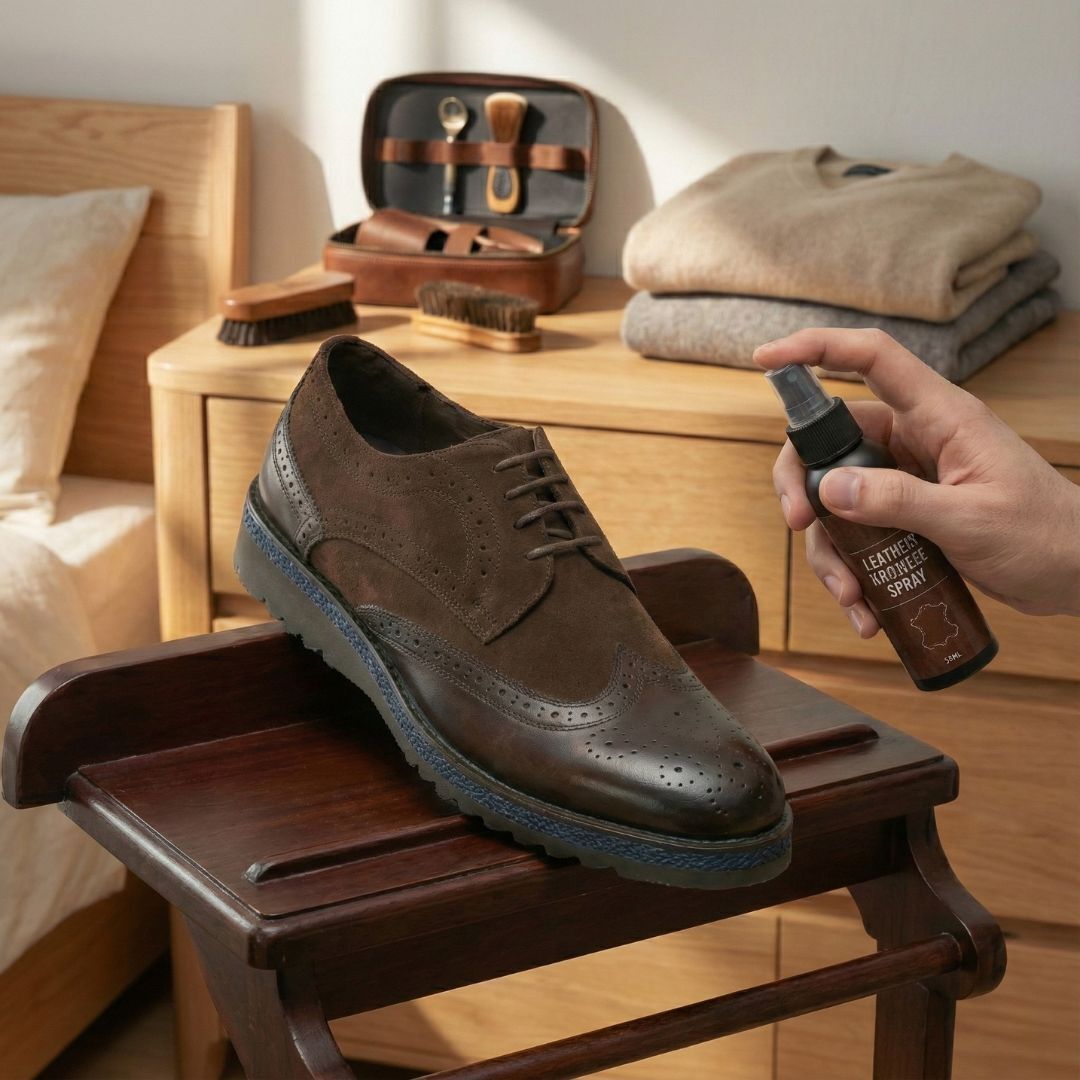
Stretch sprays soften leather quickly and are probably the most reliable option when you're short on time. Spray inside the shoe or directly on the tight spots, put on thick socks, and walk around. The spray helps the leather respond almost instantly to the pressure and heat of your foot.
Warm towels can also help. Wrap the shoe for a few minutes, remove the towel, and wear the shoes while the leather is still warm. It won't create a dramatic change, but for a shoe that's only slightly tight, it's often enough to get through the day comfortably.
When Stretching Isn’t a Good Idea
Some shoes look sturdy enough to handle stretching, but the material may say otherwise. Before trying any method, it helps to take a closer look at the leather itself. A quick inspection saves you from making the problem worse, especially if the pair is older or already shows signs of wear.
Not all leather behaves the same way. Full-grain leather, the thicker and more durable type used in quality dress shoes and boots, generally handles stretching well when conditioned properly. Corrected-grain or bonded leather, which is more common in budget styles, can peel or crack under the same pressure. If you're unsure what type of leather you're working with, start with the gentlest method available and check the shoe after each session. The best way to stretch leather shoes is always the one that applies the least force necessary to get the result you need.
It also helps to be realistic about how much stretching leather shoes can actually accomplish. A shoe that fits well through the heel and arch but pinches slightly in the toe box is a good candidate. A shoe that causes discomfort across the entire foot from the first moment is telling you something different. Knowing how to widen leather shoes effectively starts with choosing the right pair to work with.
Delicate Leathers, Visible Damage, or Too-Small Sizes
Not every pair is a good candidate for stretching. Thin or delicate leather can lose its shape permanently, and shoes with loose stitching or existing cracks are likely to get worse under any added pressure. These are pairs to wear as-is or take to a cobbler for an honest assessment before attempting anything at home.
The biggest mistake is trying to widen shoes that are an entire size too small.
Leather can stretch slightly, but it cannot grow a full size. If the shoe is severely tight from the moment you put it on, return or exchange it rather than forcing the stretch and risking permanent damage to the leather or your feet.
How Long Does It Take to Break In Shoes?
The timeline varies. Soft leather can break in after just a few indoor sessions. Thick, structured leather may take a couple of weeks. Some people assume breaking in leather is like breaking in running shoes, but the materials work differently. Foam adjusts immediately. Leather responds only after gradual pressure.
The type of shoe matters as well. A slim leather flat or a lightweight oxford will soften faster than a structured boot with multiple layers and a stiff insole. Dress shoes with narrow toe boxes tend to take longer because the leather has less room to move and needs more repeated sessions before it gives. Do leather shoes stretch uniformly across all styles? Not quite. The construction, leather grade, and how often you wear them all affect the pace.
What speeds the process up is consistency rather than intensity. Short sessions of 20 to 30 minutes, repeated daily, do more than one long uncomfortable wear. If you rotate between short wear periods, light heat, and mild stretching, you'll shorten the break-in period significantly. Conditioning the leather between sessions keeps it receptive so each wear builds on the last rather than starting from scratch. Most people find that stretching leather shoes gradually over a week produces a better, more even fit than trying to force the result in a single session.
If you rotate between short wear periods, light heat, and mild stretching, you’ll shorten the break-in period significantly.
When to Choose Professional Shoe Stretching
If the shoes are expensive or meaningful, a gift, a work essential, or a pair you want to last for years, letting a cobbler handle the stretching is a safer choice. Home methods work well for minor tightness, but there is a point where the risk of doing it yourself outweighs the convenience, and a professional is simply the better call.
Cobbler tools apply even pressure across the exact area you need widened, which is something no DIY method can replicate precisely. This is especially helpful for structured leather shoes or boots with reinforced toes or heels. A cobbler can also assess whether the shoe is actually stretchable at all before attempting anything, which saves you from damaging a pair at home only to find out the leather wasn't a good candidate to begin with.
The cost of professional stretching is usually modest, often less than the price of a replacement pair. For anyone who has spent time figuring out how to stretch out leather shoes at home without success, or who is working with a style that requires precise widening in one specific area, the investment makes sense. The best way to stretch leather shoes is ultimately the one that gets the result without putting the shoe at risk, and sometimes that means handing it off to someone with the right tools.
Keeping Your Stretched Shoes in Good Shape
It's easy to forget that stretched leather needs a little support to stay that way. The material settles into its new shape over the next few days, so this is the time to give the shoes some structure and care. A few small steps right after stretching make a bigger difference than most people expect.
This settling period is also when the leather is most vulnerable. Wearing the shoes for long stretches too soon, storing them carelessly, or skipping conditioning at this stage can cause the material to tighten back up or develop stress lines along the areas that were widened. Think of the days immediately after stretching leather shoes as a short maintenance window. What you do during this time determines whether the fit stays where you wanted it or gradually works its way back to where you started. Keeping that in mind makes it much easier to follow through on the small habits that protect the result.
Shape Holders, Conditioning, Storage
Once your shoes feel good, keeping in shape is important. A wooden shoe tree prevents the leather from shrinking back and absorbs moisture from wear. Insert one after every wear, especially during the first few weeks after stretching, when the leather is still settling into its new shape. This is one of the simplest things you can do to make sure the work you put into stretching leather shoes actually holds.
Light conditioning every few weeks keeps the material flexible and prevents the dryness that causes leather to tighten back up over time. How to widen leather shoes is one question, but keeping them wide once you've done the work is equally important. A conditioner applied in thin, even coats does more than a heavy application done infrequently. Build it into a simple routine and the leather will stay responsive and comfortable through regular wear.
Always give leather space in your closet. Tight, stacked storage can undo the stretching by pressing the leather back into a compressed shape before it has fully set. Store shoes upright with shoe trees inside and enough room between pairs that nothing is being pushed or creased. If you already follow habits like cleaning sneakers, you'll find leather maintenance just as simple, just more moisturizing and less scrubbing.
Final Words
Stretching leather shoes isn’t complicated. It just requires patience and the right touch. Leather responds well when you warm it, move it, and let it rest. Whether you’re dealing with stiff boots, narrow dress shoes, or a pair that feels tight only in one spot, gentle methods can make a big difference. And when home methods aren’t enough, a cobbler can take over and do it safely.
With a bit of care, your leather shoes will soften, widen where needed, and eventually feel like they were made just for you.

Mariam Simmons
Mariam Simmons is a fashion enthusiast and Content Manager at Alpine Swiss. She loves traveling to the world’s top stylish destinations and gets inspired to create helpful fashion and lifestyle guides. With over a decade of writing experience, her main goal in creating content is to ensure readers learn something useful and provide value instead of noise.