Types of Leather: What You Should Know Before You Buy
2026-02-16
Leather looks simple at first glance. It feels smooth, strong, and classic. Yet not all leather is the same. The types of leather used in shoes, bags, and accessories can vary a lot in quality and price. If you do not know the difference, you may overpay or choose the wrong option for your needs.
Before you shop, it helps to know what are the 5 types of leather, how grades of leather work, and how different finishes change the look and feel. This guide explains the most important points in clear terms.
What Are the Types of Leather?
When people ask what are the different types of leather, they often mix up categories and grades. In simple terms, leather can be grouped by structure, finish, and source.
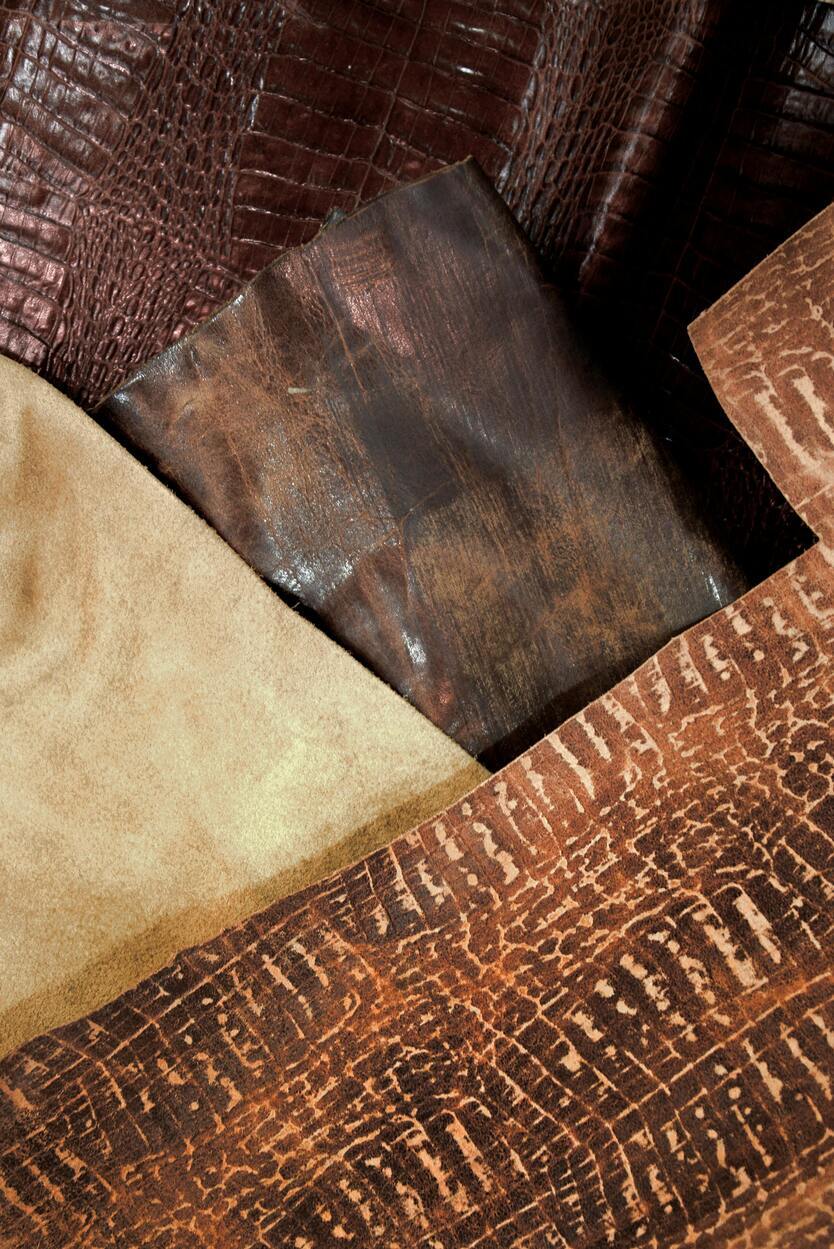
If you wonder what are the 5 types of leather, here are the most common ones:
- Full grain leather
- Top grain leather
- Genuine leather
- Split leather
- Bonded leather
These are the main leather types you will see in product descriptions. Each one has a different level of strength, texture, and lifespan.
Common Leather Types Used in Products
Full grain is one of the most premium types of leather. It keeps the natural surface of the hide. It is strong, durable, and develops a rich look over time. Many high quality leather bags and wallets are made from full grain because it holds shape and ages well.
Top grain leather has a sanded surface. It looks smoother and more uniform. Many leather shoes use this option since it offers a clean and polished finish.
Genuine leather sits below full grain and top grain in the grades of leather scale. It still uses real hide but goes through more processing.
Split leather comes from the lower layers of the hide. It is softer but less durable. You may see it in casual leather sneakers where flexibility matters more than long term wear.
Bonded leather is made from leftover leather fibers mixed with adhesives. It is the lowest of the different grades of leather and usually costs less.
When asking what are the different types of leather, these five categories are the starting point.
Grades of Leather and Quality Levels
Many buyers focus on brand names. A better approach is to check the grades of leather. The grade shows how much of the natural hide remains and how much processing the material has gone through.
Different Grades of Leather and What They Show
The different grades of leather reflect quality and structure.
Full grain sits at the top. It keeps the entire grain layer. This makes it one of the strongest types of leather.
Top grain comes next. It has a refined surface but still offers good durability.
Genuine leather falls in the middle. It is real leather, but it does not have the same strength as higher leather types.
Bonded leather ranks last among the different grades of leather. It contains leather scraps rather than a full hide.
If you ask what are the 5 types of leather, remember that these types also reflect different levels of quality.
How Grades of Leather Affect Durability and Price
The higher the grades of leather, the longer the product usually lasts. Full grain items often cost more because they age well and resist damage.
Lower different grades of leather may look good at first. Over time, leather can crack or peel. This matters when buying items like leather boots that face daily wear and outdoor use.
When comparing products, check both the type and the grade. Two items may look similar, yet their lifespan can be very different because of the types of leather used.
Different Types of Leather by Finish
Leather does not only vary by grade. Finish also changes the appearance and feel.
When people ask what are the different types of leather, finish is another key factor.
Aniline and Semi Aniline Leather Types
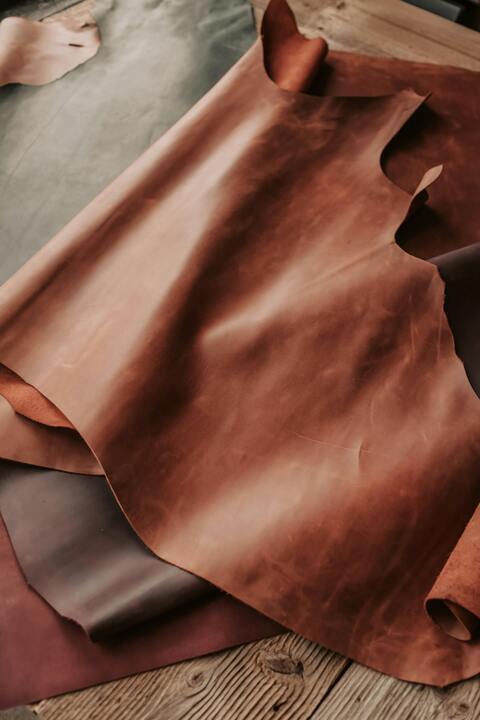
Aniline leather has very little surface coating. It shows natural marks and color variations. This is one of the most natural looking leather types.
Semi aniline leather has a light protective layer. It still keeps a soft feel but offers better stain resistance.
Both options appear in premium types of leather, especially in furniture and luxury accessories.
Nubuck and Suede Leather Types
Nubuck comes from the outer layer of the hide. The surface is lightly sanded to create a soft texture.
Suede usually comes from the inner layer. It feels smooth and velvety but needs more care.
These are also part of the different types of leather you may see in jackets and footwear. They focus more on texture than on structural grades of leather.
Different Types of Leather by Source
Another way to classify leather is by animal source. When asking what are the different types of leather, many people also mean the origin of the hide.
Cowhide, Sheepskin, and Goatskin
Cowhide is the most common material in many types of leather products. It is strong and thick.
Sheepskin is softer and lighter. It works well for jackets and gloves.
Goatskin leather offers a balance of strength and flexibility. It appears in various leather types for shoes and small goods.
These materials can come in different grades of leather depending on how they are processed.
Exotic Leather Types
Exotic leather includes crocodile, alligator, ostrich, and snake. These types of leather are rare and often more expensive.
They stand out because of their unique patterns. The price depends on both the animal source and the different grades of leather used in processing.
How to Compare Leather Types Before You Buy
Buying leather without checking details can lead to disappointment. A simple label such as real leather does not tell you much.
When thinking about what are the 5 types of leather or what are the different types of leather in a product, look deeper than the surface.
How to Identify Different Types of Leather
Read the product description carefully. Look for terms such as full grain or top grain.
Check texture and smell. Real leather has a natural scent. Bonded leather may smell more like chemicals.
Examine the edges. Higher grades of leather usually show natural fibers. Lower different grades of leather may look layered or artificial.
How to Compare Different Grades of Leather
Compare durability, not just price. Full grain items cost more but last longer.
Think about purpose. Daily use products need strong types of leather. Decorative items can use softer options.
Ask the seller what are the different types of leather used and which grade the product belongs to. Clear answers show transparency.
When you understand the types of leather, the grades of leather, and the different finishes and sources, you shop with confidence. Knowledge helps you choose the right material before you buy.
Leather Care Tips for Different Leather Types
Proper leather care depends on the types of leather used in a product. Higher grades of leather such as full grain and top grain need regular conditioning to keep the surface soft and prevent cracks. Applying a small amount of leather conditioner every few months helps maintain flexibility and natural shine. These premium leather types respond very well to consistent care and can last for many years.
Suede and nubuck require a different routine because they are among the more delicate different types of leather. Heavy creams should not be used. Instead, clean with a soft brush to lift dirt and restore texture. A protective spray helps reduce stains and moisture damage, especially for items like suede shoes or a suede jacket, which are often exposed to dust and light rain.
Lower different grades of leather, including bonded leather, need gentle surface cleaning only. Too much water or strong cleaning products can damage the finish and cause peeling. Always wipe with a soft dry or slightly damp cloth.
For everyday items such as leather shoes, leather boots, leather wallets, and leather sneakers, simple habits protect your investment. Keep them dry, avoid direct heat, and store them properly when not in use. The right leather care routine supports durability across all types of leather and helps maintain both structure and appearance.
Final Words
When you understand the types of leather, the grades of leather, and the different types of leather finishes and sources, you shop with confidence. Proper leather care helps preserve quality and ensures your products look better and last longer over time.

Mariam Simmons
Mariam Simmons is a fashion enthusiast and Content Manager at Alpine Swiss. She loves traveling to the world’s top stylish destinations and gets inspired to create helpful fashion and lifestyle guides. With over a decade of writing experience, her main goal in creating content is to ensure readers learn something useful and provide value instead of noise.