















Hiking Gear Essentials That Are Worth Buying (And What to Skip)

Choosing the right hiking gear often feels harder than it should. There are endless lists online, each promising the perfect setup, yet many hikers still end up carrying items they never use. The truth is simple. Good hiking starts with understanding which hiking essentials actually support comfort, safety, and confidence on the trail and which ones only add weight.
This guide helps you build a practical hiking gear list based on real use, not trends. You will see what is worth buying, what you can safely skip, and how your needs change depending on season and experience.
Many hikers assume more gear means better preparation, but experience shows the opposite. Carrying fewer, well-chosen items often leads to better balance, less fatigue, and clearer decision-making on the trail. The goal of smart hiking gear choices is not to be prepared for every possible scenario, but to be prepared for the most likely ones.

What actually counts as hiking gear essentials
Real hiking gear serves a clear purpose. It protects your body, helps regulate temperature, and supports movement across different terrain. Anything that does not do at least one of these things is not essential.
When evaluating hiking essentials, it helps to group items by function rather than category. Protection, movement, hydration, and navigation are the four areas that matter most. If an item does not clearly fit into one of these roles, it may not deserve space in your pack.
Safety, comfort and terrain needs
At its core, hiking essentials include reliable footwear, weather protection, hydration, and navigation basics. These items allow you to focus on the trail instead of discomfort. On uneven or rocky paths, proper footwear matters far more than accessories. On exposed routes, sun and wind protection become key parts of your hiking gear setup.
Comfort also plays a role. Clothing that moves with your body and manages moisture helps prevent fatigue. This is where smart layering clothes becomes more important than owning dozens of separate items.
Terrain directly shapes which hiking gear performs best. A forest trail with soft ground requires different footwear and protection than a rocky alpine route or a dry desert path. Understanding the surface, elevation changes, and exposure helps you choose hiking essentials that work with the environment rather than against it.
Why not every item belongs on a hiking gear list
Many people build a hiking gear list by copying what others use, without considering their own routes or conditions. This often leads to overpacking. Items that look useful online may never leave your backpack. A good hiking gear list is specific to your hike, not a generic checklist.
Overpacking often creates new problems. A heavier pack affects posture, increases strain on knees and ankles, and reduces stamina over time. Removing unnecessary items is one of the simplest ways to improve comfort without spending more money on hiking gear.
Hiking gear that is worth buying
Some items consistently earn their place in a backpack. These are the pieces of hiking gear that provide value across different trails and conditions.
Core hiking essentials for most trails
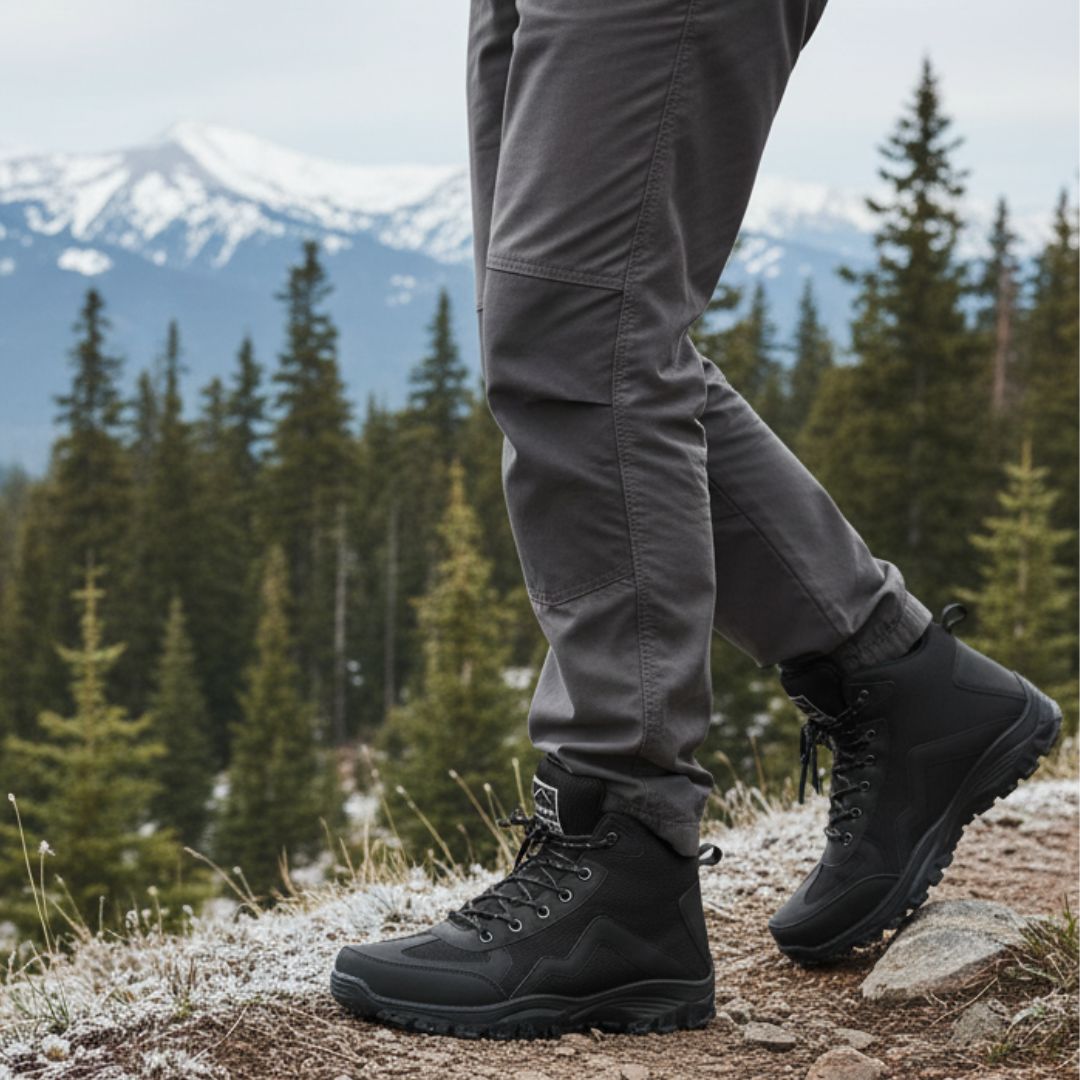
Footwear designed for walking long distances on uneven ground is one of the most important hiking essentials. Clothing that manages sweat and dries quickly follows closely. A light backpack with good weight distribution helps reduce strain during longer walks.
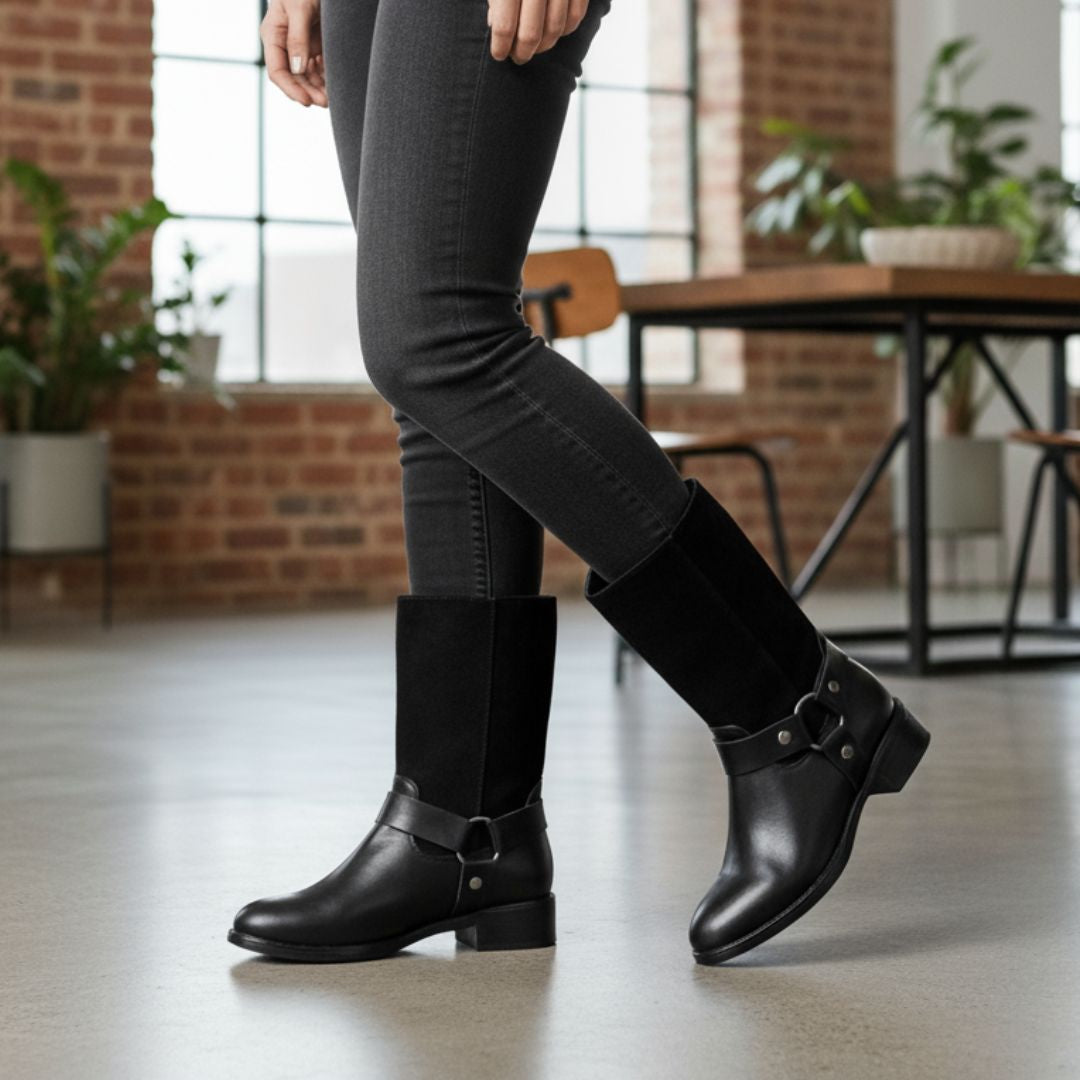
Many hikers also rely on simple outer layers rather than heavy fashion pieces. For example, people sometimes bring leather sneakers on easy paths, but dedicated trail shoes offer better grip and stability, making them a smarter long term choice for most hikes.
Footwear deserves special attention because it directly affects balance and endurance. Poor shoe choices can lead to blisters, joint pain, or slips that end a hike early. After long hikes, using muscle recovery devices can help reduce soreness and prepare your legs for the next trail. Investing in reliable trail shoes often delivers more benefit than upgrading any other piece of hiking gear.
Best sports gear for hiking based on use, not trends
The best sports gear for hiking is not defined by price or brand. It is defined by how well it performs on your typical routes. Breathable fabrics, adjustable layers, and durable materials matter more than appearance.
When choosing the best sports gear for hiking, focus on versatility. Items that work across seasons and trail types reduce the need to constantly rebuild your hiking gear list.
Trend-driven gear often looks impressive but fails under real conditions. Zippers that jam, fabrics that trap moisture, or designs that limit movement quickly become frustrating on longer hikes. Gear tested through repeated use usually outperforms newer, untested options.

Hiking gear you can skip or replace
Not everything sold as outdoor equipment deserves a place in your pack. Some items add bulk without offering real benefits.
Overrated items that add weight, not value
Multiple backups of the same item are rarely necessary. Extra tools, oversized packs, and heavy accessories often fall into this category. They make your hiking gear heavier without improving safety or comfort.
Many hikers realize over time that simplifying their hiking essentials leads to better overall experiences.
Overbuilt tools and large packs are common mistakes among beginners. These items create the impression of preparedness but often remain unused. A smaller pack forces better decision-making and encourages carrying only what supports the hike.
When simple alternatives work just as well
In many cases, everyday items can replace specialized products. A basic insulating layer can outperform bulky gear if used correctly. This approach keeps your hiking gear list practical and easier to manage.
Understanding how to use simple gear effectively often matters more than owning specialized equipment. Knowledge and preparation reduce dependence on excess hiking gear.
How to build a smart hiking gear list
A smart hiking gear list changes depending on distance, duration, and conditions. Building a useful hiking gear list starts with defining the hike before selecting the gear. Trail length, elevation gain, expected weather, and access to help all influence what you should carry. A short loop near a populated area requires a very different setup than a remote trail with limited cell coverage.
Short hikes vs long hikes
For short hikes, fewer hiking essentials are needed. Hydration, weather protection, and basic navigation are usually enough. Longer hikes require more planning and more carefully chosen hiking gear to prevent fatigue.
As hike duration increases, weight management becomes critical. Even small unnecessary items add up over several hours, affecting pace and energy levels.
Day trips vs multi day routes
Day hikes allow for lighter setups. Multi day routes demand careful planning and testing. In both cases, reviewing your hiking gear list after each trip helps you refine what truly matters.
Multi-day hikes highlight weaknesses in gear choices quickly. Items that feel acceptable on a short walk may become uncomfortable or impractical after repeated use.
Winter hiking gear that actually matters
Cold conditions change priorities. Winter hiking gear focuses on warmth, moisture control, and safety rather than speed.
Cold weather essentials vs optional add ons
Layering becomes essential in winter. Insulating layers combined with weather resistant outerwear work better than single heavy pieces. Some hikers rely on a puffer jacket during rest periods, while others prefer lighter layers that adjust easily.
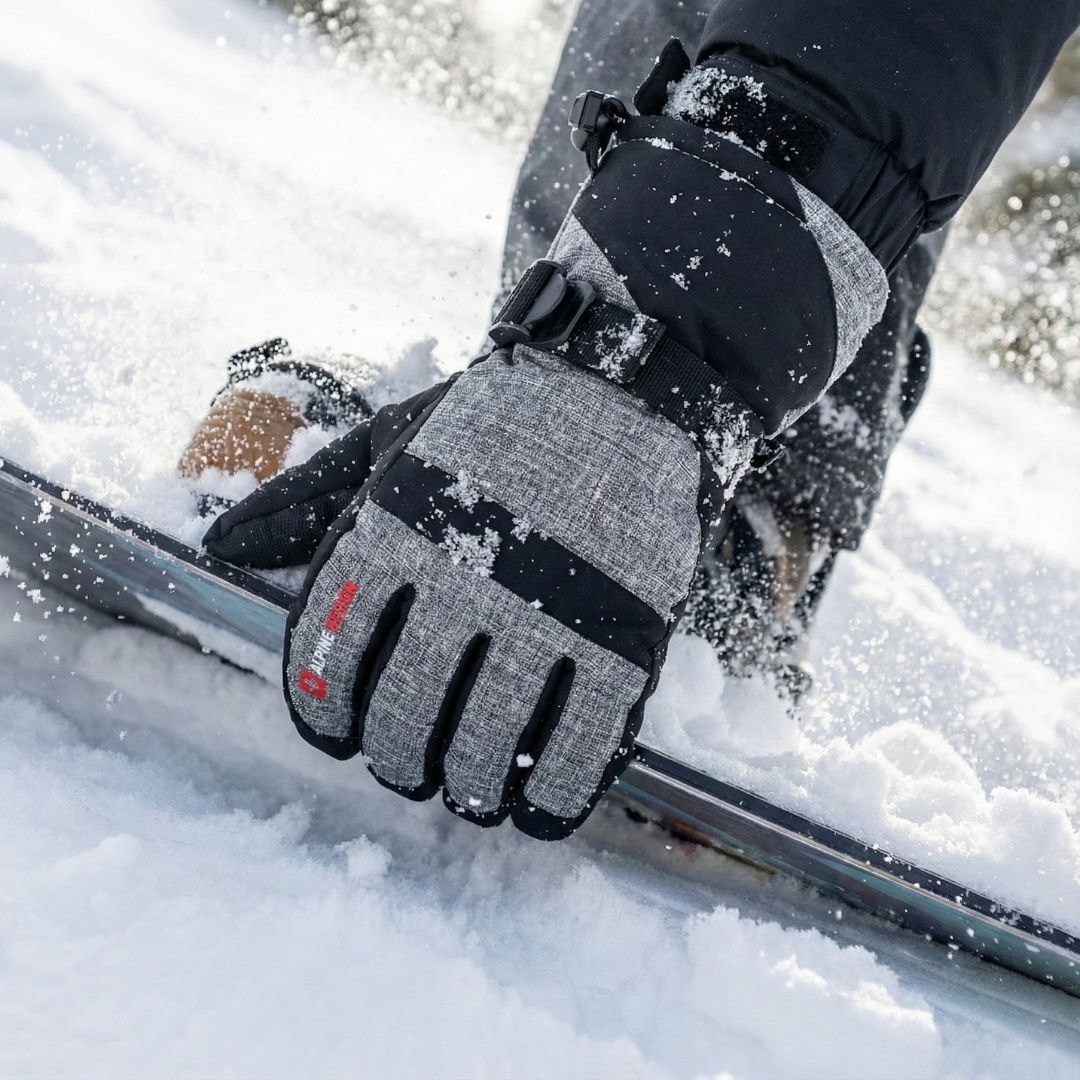
Proper winter hiking gear also protects extremities, as heat loss happens fastest there. Cold-weather hiking requires planning ahead rather than reacting to conditions on the trail. Carrying dry layers and managing sweat can prevent rapid heat loss during breaks or descents.
Common winter hiking gear mistakes
One common mistake is overdressing at the start. This leads to sweating and discomfort later. Another is relying too heavily on fashion focused women's or men's outerwear instead of functional layers designed for movement and temperature control to stay warm on cold hikes.
Many winter hiking problems start with poor moisture control. Once clothing becomes damp, insulation loses effectiveness, increasing the risk of cold-related discomfort or injury.
How hiking experience changes what you need
Experience reshapes how you view hiking gear. What feels essential at first may become unnecessary over time.
Beginners vs experienced hikers
Beginners often carry more than needed for peace of mind. Experienced hikers tend to streamline their hiking essentials based on past trips and real challenges faced on the trail.
Experience teaches which risks are likely and which are unlikely. This knowledge replaces excess gear with better judgment.
Adjusting hiking essentials over time
As skills improve, your hiking gear list becomes lighter and more intentional. You learn which items truly support your hikes and which ones can stay at home.
Refining hiking gear is an ongoing process shaped by trial, error, and reflection after each trip.
Final checklist before your next hike
Before heading out, review your hiking gear list with one question in mind. Does each item serve a clear purpose for this specific hike. Keeping your hiking essentials focused helps you enjoy the trail instead of managing unnecessary gear. A well-planned hiking gear setup supports movement, comfort, and awareness. When gear works quietly in the background, the trail becomes the main focus again.


)